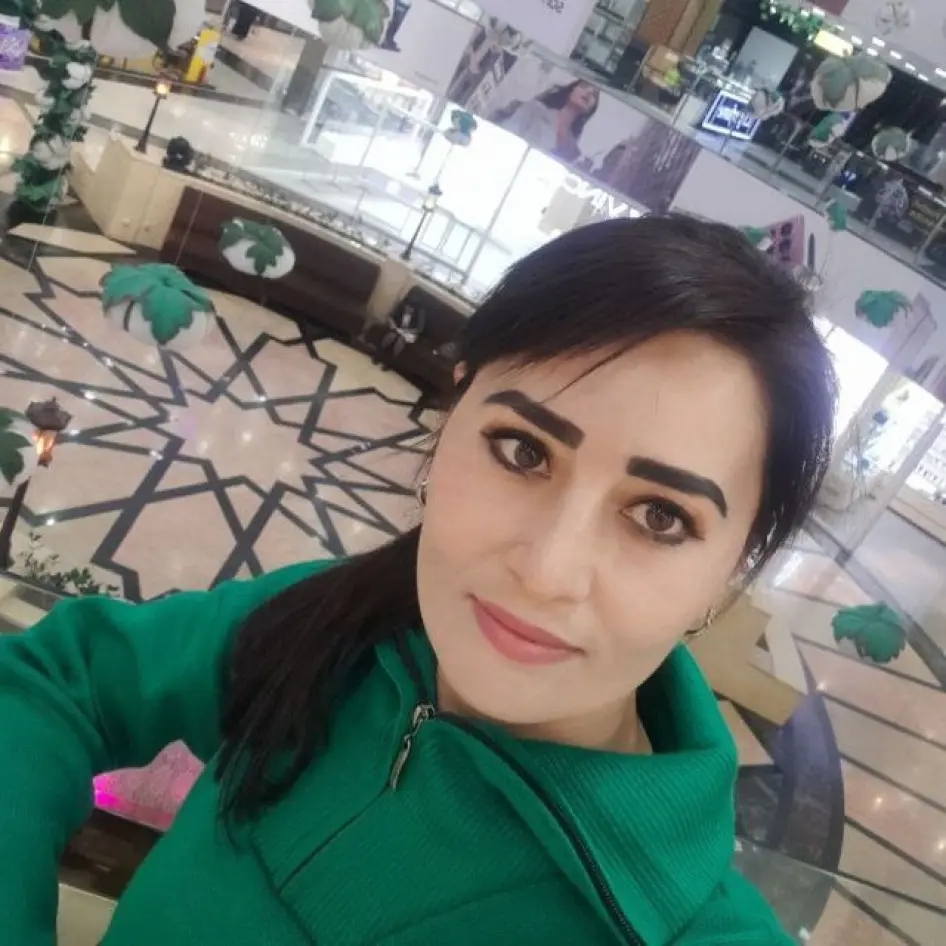
Dildora Khakimova
Teacher at a local school, blogger and civil-society activist who publicly criticized corruption in the education system and provided support to community members.
Date Detained: Arrested in February 2024 and placed in pre-trial detention as part of a group of activists targeted in the same case
Current Status: Serving a six-year prison sentence handed down by a court in the Kashkadarya region after conviction in July 2024 (appeal attempts were unsuccessful).
Charges Indicted: Convicted of “extortion by prior agreement of a group of persons” under the Criminal Code of Uzbekistan. Rights groups describe the charges as baseless and disproportionate, alleging they were brought in retaliation for her activism and criticism of local officials.
Trial Details: Conviction delivered on 18 July 2024 by a Kashkadarya court.
Appeals were denied by higher courts, upholding the original sentence.
The prosecution’s case relied heavily on testimony from a former school director who had been dismissed from her position; human-rights organisations say the evidence does not support the criminal charges.
Several co-defendants were also convicted and sentenced in the same case
Prison Details: Dildora Khakimova gave birth to a child in mid-September 2024 while she was in detention following her conviction. After childbirth, she was kept together with her newborn inside the detention facility. Officials reportedly acknowledged that the facility lacked the conditions necessary to properly care for an infant, noting that it could not meet basic standards for newborn care required under Uzbekistan’s own regulations on protecting motherhood and childhood. Human-rights organisations have raised concerns that holding a newborn in such conditions may violate international child-protection norms. There has been no publicly confirmed information indicating that the child was later transferred to relatives or another care arrangement, and the latest available reports continued to highlight concerns about the infant’s situation in custody.
Health Condition: Dildora Khakimova has been reported by multiple human-rights organisations to suffer from breast cancer, a condition that has allegedly worsened during her detention. Medical professionals cited in advocacy reports stated that she requires urgent treatment at a specialized oncology hospital, including possible chemotherapy or surgery, but such treatment has reportedly not been adequately provided in custody. Her lawyer submitted an appeal to Uzbekistan’s Supreme Court requesting her release on medical grounds so that she could receive proper care; however, the outcome of that appeal has not been publicly confirmed in available sources. Monitoring groups warn that detention facilities in Uzbekistan are generally not equipped to manage serious illnesses like cancer, which can lead to delayed diagnosis, interrupted treatment, and increased health risks for prisoners.