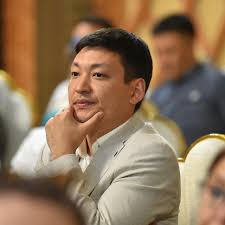
Atai Beishenbek
A well-known civil activist, blogger, and public figure.
Date Detained: 23 October 2022
Current Status: House detention on Kempir Abad case.
Currently, the case is under review in the city court (second instance), and a verdict has not yet been delivered.
Charges Indicted: 2020 October Events Case:
Article 213, Part 4 — organizing or leading the unlawful occupation of residential or non-residential premises and buildings;
Article 278, Part 2 — organizing mass riots;
Article 209, Part 3 — fraud.
“Kempir-Abad” Case (October 23, 2022):
Article 278 — organizing mass riots;
Article 327 — calls for the violent seizure of power.
Trial Details: October 2020 Events
In October 2020, mass protests in Kyrgyzstan demanding the resignation of then-president Sooronbay Jeenbekov escalated into a political crisis. Between 4–6 October, demonstrators in Bishkek stormed and unlawfully occupied government buildings, including the White House and City Hall.
Beyshembek, as a prominent activist, was accused of participating in these events and faced charges of organizing mass riots and the illegal occupation of state buildings. His case was merged with the later Kempir-Abad proceedings. In the first instance, he was acquitted, though the case is still under appeal. Rights groups inside and outside Kyrgyzstan have closely monitored the process, widely describing it as politically motivated.
The Kempir-Abad Case (2022–2024)
In October 2022, amid mass protests against a border agreement with Uzbekistan involving the Kempir-Abad reservoir, more than 20 activists and opposition politicians were detained. They were accused of preparing mass riots and attempting to seize power. Beyshembek was among those arrested and criminally charged. He was released to house arrest in June 2023, and on 14 June 2024, the court fully acquitted him.
Prison Details: Atai Beishenbek was held in harsh conditions: the detention facilities were cramped, damp, and cold. He also spent several days in solitary confinement. These circumstances caused significant harm to his health and limited his access to adequate medical care. Official and comprehensive information about his current condition has not been made public.
Health Condition: During a hunger strike, Beyshembek’s health deteriorated further, leaving lasting effects. He requires continuous medical monitoring and care to address the negative impact on his health.