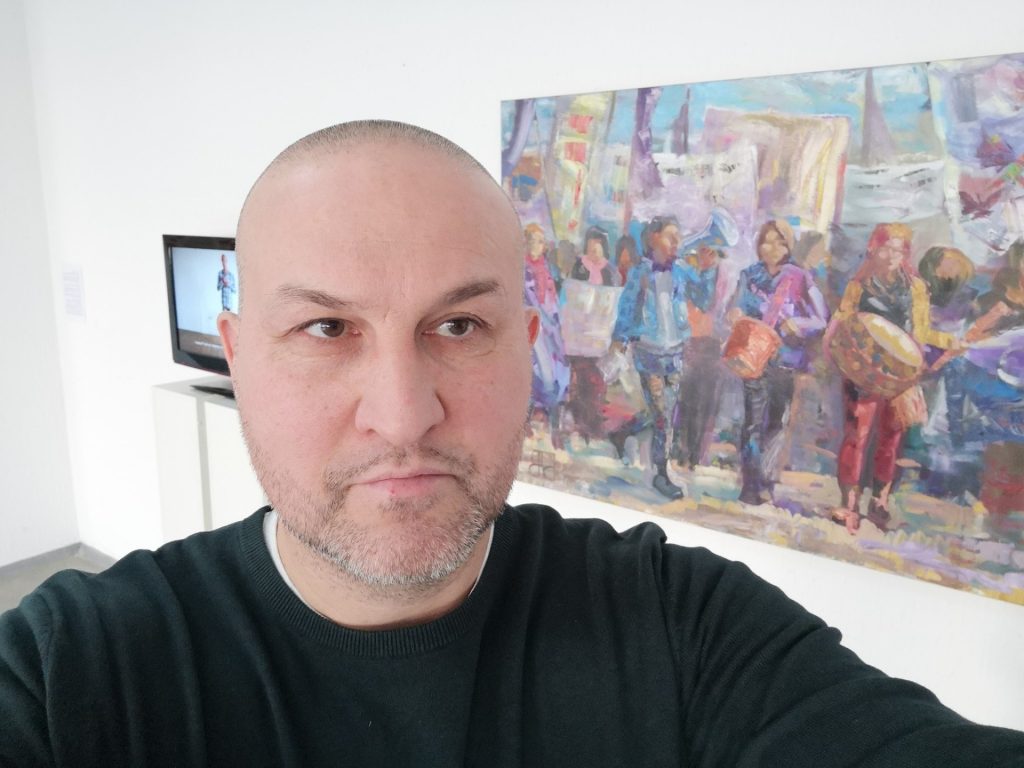
Marat Bayazov
Public and political figure.
Date Detained: 23 October 2022
Current Status: House detention
Verdict was issued in the court of first instance (publicly known as the “Kempirabad case”) in 2024. Currently, the case is under review in the city court (second instance), and a verdict has not yet been delivered.
Charges Indicted: “Charged under Articles Organization of mass riots – Article 278
Calls for the violent seizure of power – Article 327”
Trial Details: The Kempir-Abad case emerged in 2022 in the context of a border agreement between Kyrgyzstan and Uzbekistan. Under this agreement, land around the Kempir-Abad reservoir was transferred to Uzbekistan, sparking heated public debate. Politicians, activists, and civil society representatives who opposed the deal formed the Committee to Protect Kempir-Abad, demanding transparency from the authorities and a public discussion of the issue.
The government, however, treated these actions as an attempt to organize mass unrest. In October 2022, more than 20 politicians and activists were detained and charged under Article 278 of the Criminal Code of the Kyrgyz Republic (“Organization of mass riots”). The trials were held behind closed doors, and human rights defenders as well as international organizations denounced the case as politically motivated persecution.
Among those detained was Ravshan Jeenbekov, a well-known opposition politician. Marat Bayazov, his close ally and friend, was also implicated in the case. Many observers note that Bayazov himself did not publicly take a strong position on the Kempir-Abad issue; rather, his involvement was largely connected to his personal and political ties with Jeenbekov.
Prison Details: During the investigation, harsh detention conditions, lack of adequate medical care, and protracted court proceedings had a negative impact on the health of the defendants. While in custody, Marat Bayazov’s health deteriorated, and he was diagnosed with a thyroid adenoma requiring extensive treatment.
Health Condition: The conditions in pre-trial detention further harmed Bayazov’s health. Medical services in the facility were limited, with insufficient prevention and treatment of illnesses. Bayazov required continuous medical examinations, monitoring, and treatment in an outside medical institution. His lawyers repeatedly petitioned for him to be released for proper medical care, citing his urgent health needs.